Shopify B2B and wholesale
Shopify B2B and wholesale for Australian brands
Sell to retailers and trade customers from the same store as your retail customers. Trade prices, company accounts and payment terms, set up so your team stops taking orders by email.
Right for you if
- You take wholesale orders by email, phone or a spreadsheet and want them online.
- You sell to cafes, boutiques or trade buyers at different price levels.
- You need minimum order quantities, case sizes or net payment terms.
- You want wholesale and retail in one catalogue with one stock count.
What's included
- Wholesale model design: one store with B2B features, or a separate store
- Company profiles, locations and buyer accounts
- Catalogues and price lists per customer group, with volume pricing
- Minimum order values and quantity rules
- Payment terms such as net 14 or net 30, and card on file where suitable
- GST handling for ex-GST trade pricing and tax invoices
- Wholesale application form with approval workflow
- Shopify Flow rules to tag orders and notify your team
How Shopify handles B2B
Shopify's native B2B tools let you create company profiles with locations and buyers, assign catalogues with their own prices, set payment terms and let buyers log in to order. Shopify has expanded these tools beyond Plus, though with limits, such as the number of catalogues. Plus has the fuller feature set. We check your needs against the plan before recommending anything, because plan details change.
The main design choice is one store or two. A single store with B2B features keeps products, stock and content in one place and is easiest to run. A separate wholesale store makes sense if wholesale uses very different products, branding or tax handling. We explain the trade-off in plain terms before building anything.
A custom theme can add the wholesale features that buyers expect, such as quick order forms, case-size ordering and pricing displayed by pack. See custom Shopify themes.
How we set up wholesale
Step 1
Step 1: Define your trade terms
Price tiers, minimums, case sizes, payment terms, shipping rules and who qualifies. We write these down so the build matches reality.
Step 2
Step 2: Choose the model
Native B2B, a B2B app, or a separate store. We pick based on catalogue size, plan and how much customisation you need.
Step 3
Step 3: Build catalogues and accounts
We create price lists, load existing wholesale customers as companies, and set terms for each.
Step 4
Step 4: Wholesale experience
A login and application flow, a quick-order layout, clear ex-GST pricing and order confirmation that doubles as a tax invoice.
Step 5
Step 5: Automate
Shopify Flow tags wholesale orders, flags large ones, notifies your team and routes to the right fulfilment location.
GST, terms and shipping for trade
Retail prices in Australia show GST included. Trade buyers usually expect prices ex GST, with GST added at checkout or on the invoice. We configure this so each customer group sees the right price and receives a compliant tax invoice. Your accountant should confirm the invoice details. For general store setup see Shopify GST setup in Australia.
Payment terms are the part many brands want. Net terms let a cafe order now and pay in 14 or 30 days. They bring credit risk and chasing, so we link orders into your accounting system, such as Xero or MYOB, to make invoicing and reconciliation straightforward. See Shopify apps and integrations.
Shipping for trade orders differs. Pallets and cartons may travel with StarTrack or a freight carrier, not Australia Post. We set wholesale shipping rules separately from retail, and for stores selling to New Zealand retailers we use Shopify Markets to manage currency and rates.
Honest trade-offs
Online wholesale will not suit every business. If you have a handful of large accounts with negotiated terms, a phone call and an invoice may be simpler. Shopify is a strong fit when you have many small trade buyers who reorder regularly.
| Model | Good for | Watch out for |
|---|---|---|
| Native B2B in one store | Most brands, shared stock and content | Plan limits on catalogues and features |
| B2B app | Specific features such as quote requests | Monthly app cost and added code |
| Separate wholesale store | Different products, tax or branding | Two stores to maintain |
| Plus B2B | Large wholesale programs, multiple price lists | Plus subscription cost |
Wholesale also needs rules you can live with. Cheap trade prices that undercut your own retail store will cause conflict with stockists. We help you set price floors and visibility so that does not happen. See Shopify Plus if you need the deeper B2B set.
Pricing and timing
2 to 4 weeks added to a build; standalone setups vary
Basic wholesale setup fits within our Custom package at $18,500 excluding GST. Wholesale portals with many price lists, ERP links or multiple markets are quoted under Plus after a scoping call. Ongoing tweaks and support run on Care at $390 a month or Growth at $1,450 a month, month to month.
Shopify B2B and wholesale: common questions
Do I need Shopify Plus for wholesale?
Not always. Native B2B tools are available beyond Plus, with some limits. Plus has the fuller set. We match features to your needs before recommending a plan.
Can wholesale customers see different prices to retail customers?
Yes. Catalogues and price lists attach to company profiles, so each trade buyer sees their own prices once logged in. Retail visitors see standard prices.
How does GST work for wholesale orders on Shopify?
You can show trade prices ex GST and add GST at checkout or on the invoice. We configure this and confirm the invoice layout with your accountant.
Can I offer net 30 payment terms?
Yes. Shopify supports payment terms on B2B orders. You carry the credit risk and chase payment, so we link orders to Xero or MYOB for invoicing.
Can I set minimum order quantities?
Yes. You can set minimums, increments and case sizes per product or catalogue, depending on your plan and setup.
Can I run wholesale and retail from one store?
Yes, and for most brands that is the best option. One catalogue, one stock count, two audiences. We use a separate store only when products, branding or tax differ.
Example stores
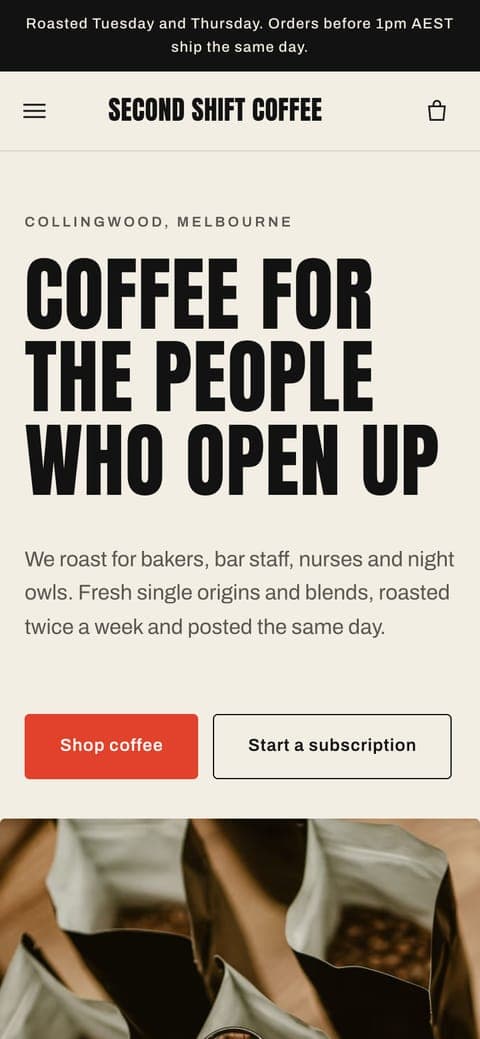
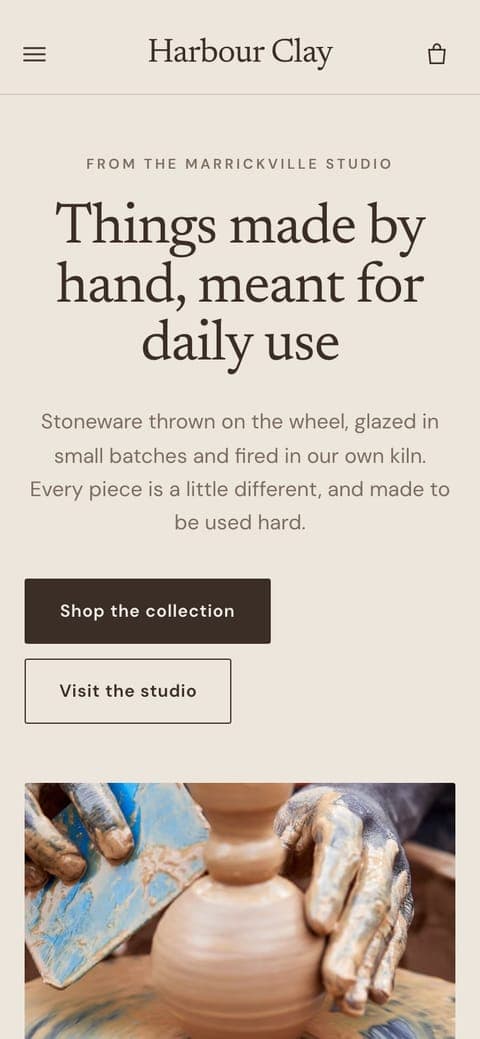
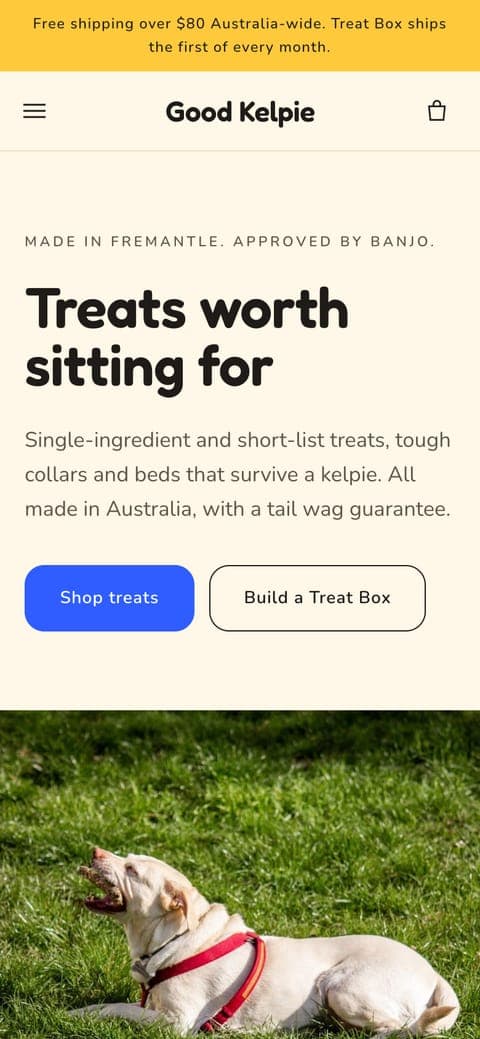
All twelveConcept stores we designed and built to show our work. Click through to shop them.
Further reading
Guide9 min read
Is Shopify Plus worth it for an Australian brand?
Plus starts at $3,700 AUD a month. Most stores do not need it. Some really do. Here is how to tell which side you are on.
Guide9 min read
How to set up GST on Shopify in Australia
Australian shoppers expect to see one price with GST included. Here is how to configure Shopify to show it, what your invoices need to say, when you have to register, and what changes when you sell to New Zealand.
Guide9 min read
Selling to New Zealand with Shopify Markets
New Zealand is the easiest export market for most Australian brands. The same language, short shipping times and one clear GST rule make it a good first step beyond home.
Tell us what you sell
A few lines about your store and where it's at. We reply within one business day with questions or a fixed quote.